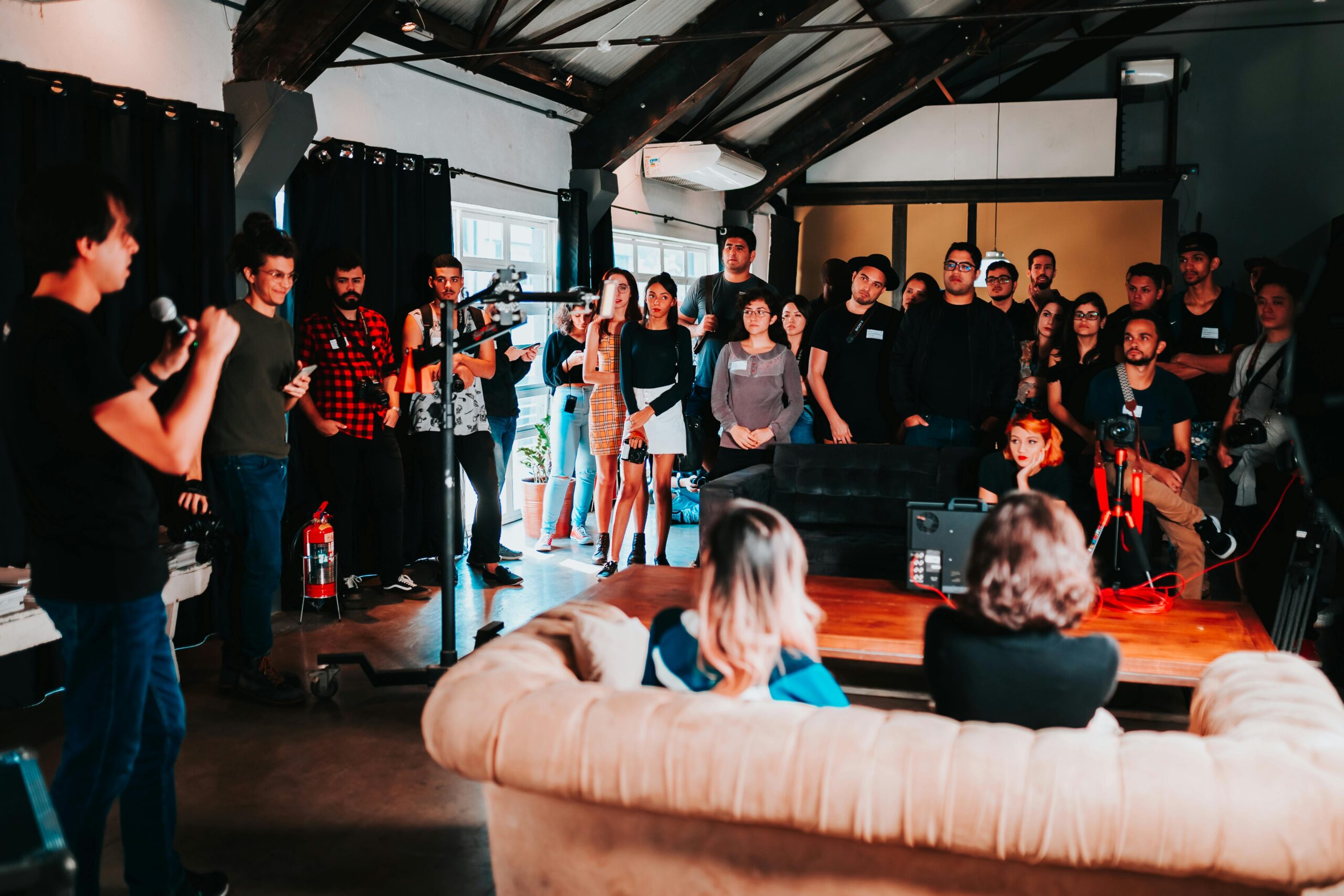
Events place buyers and representatives in the same physical space, which creates an environment where real conversations can shape decisions quickly. People arrive willing to explore, ask questions, and compare options. When a team is prepared, these moments become valuable opportunities to create interest and guide prospects toward action.
Structure is essential in these settings. Without it, even strong interactions can lose momentum. With it, every exchange becomes purposeful. This is where in-person marketing systems give businesses a strategic advantage by helping teams deliver clear messages, maintain consistency, and turn live interactions into measurable sales outcomes.
1. Clear Frameworks That Guide Every Interaction
A strong framework brings direction to busy event environments. Representatives often face rapid movement, frequent questions, and shifting attention. A structured approach keeps conversations aligned with the goal of advancing the interaction. When teams rely on in-person marketing systems, they gain a roadmap that helps set the tone from the first greeting. This leads to more confident communication and more effective conversations.
A framework also keeps messaging consistent across the entire team. Consistency builds trust because prospects hear clear explanations without contradiction or confusion. This reduces hesitation, which often slows buying decisions. A steady message helps potential buyers feel grounded and informed while allowing representatives to focus on connection instead of improvisation.
Teams perform better when a framework includes:
- Short introductions that help prospects understand the offer immediately.
- Steps that guide representatives from the initial greeting to key qualification points.
- Simple transitions that protect momentum and encourage next actions.
With clear steps in place, staff can adapt to each prospect while still keeping the conversation on a productive track. This balance of structure and flexibility turns many event interactions into real progress.
2. Stronger Product Understanding That Expands Interest
Live environments give buyers the chance to touch, test, or examine products directly. This is why experts believe it’s the future of marketing. People often reveal more during face-to-face conversations than in digital settings. They ask deeper questions, explore concerns, and compare options with greater clarity. This is why product fluency matters. Representatives need to answer with confidence, clarity, and accuracy. When in-person marketing systems guide how product details are communicated, explanations become concise, relatable, and easy for prospects to absorb.
A well-prepared representative can turn curiosity into interest through clear demonstrations or short explanations. Buyers rarely want technical speeches. They want to understand why the solution matters and how it fits their needs. When that information is delivered in a straightforward manner, they are more likely to stay engaged and continue the conversation.
Effective product presentation often includes:
- Quick demonstrations that highlight the strongest benefits first.
- Short examples that show how real customers use the product.
- Simple statements that focus on outcomes buyers value most.
Knowledge inspires trust. When representatives show a clear understanding, prospects respond with more confidence. This momentum often leads to longer discussions, deeper interest, and smoother transitions into the next stage of the interaction.
3. Real Personal Contact that Elevates Trust
Face-to-face contact creates an advantage that digital channels cannot replicate. People respond to tone, pacing, and presence. They interpret gestures and evaluate sincerity in seconds. These factors influence trust more than any scripted message. This is why live interaction plays such a critical role in the sales process. It allows representatives to listen carefully, adjust instantly, and guide the conversation based on the prospect’s reactions. This is also where Cedrus Management’s approach fits naturally because the focus always remains on human connection, supported by structured preparation.
Trust grows when prospects feel understood. They want to share concerns without pressure. They want straightforward answers. They want to feel that the representative is focused on helping, not just selling. When these conditions are met, the conversation becomes collaborative rather than competitive. That shift increases comfort and encourages prospects to stay engaged longer.
Teams can strengthen trust by:
- Asking thoughtful questions that invite honest input.
- Listening without interrupting or rushing.
- Offering explanations that feel clear, calm, and grounded in real value.
When representatives build trust in this way, event conversations often progress faster and with fewer obstacles. Buyers appreciate authenticity, and live contact gives companies the ideal space to demonstrate it.
4. Organized Pathways That Turn Interest Into Sales
Interest alone does not create results. Prospects need direction. Without a defined path, even high-quality leads may lose enthusiasm once they leave the event. Structured steps help guide buyers through the process with clarity. This is where in-person marketing systems become essential. They provide a sequence that moves prospects from initial contact to clear next steps. This creates a smoother decision-making experience and helps representatives maintain control of the interaction.
A clean path also supports efficient sorting. Representatives can focus more time on qualified buyers while still offering a positive experience to those who may not be ready. That balance protects both productivity and customer satisfaction.
Strong pathways often include:
- A short qualification process to understand the prospect’s immediate needs.
- Clear transitions that lead to signups, demonstrations, or scheduled follow-up calls.
- Closing language that feels natural and respectful.
This structure strengthens event-based sales execution by ensuring each interaction ends with purpose. Buyers appreciate direction, and representatives perform better when they always know the next step. When both sides move forward with clarity, conversions increase, and follow-up tasks become much more effective.
5. Improved Retention Through Follow-Up Strategies
Many prospects leave events interested but not ready to finalize a purchase. Budgets, internal discussions, and timing often affect the decision. Because of this, follow-up is critical. Businesses that rely on in-person marketing systems gain structured follow-up processes that keep communication consistent and professional. These steps protect the connection created at the event and help prospects feel supported after the initial excitement fades.
A well-designed follow-up plan reinforces value without overwhelming the buyer. It shows attentiveness and organization, qualities that influence final decisions. It also allows representatives to address new questions that may arise during the prospect’s reflection period.
A strong follow-up strategy often includes:
- A short message that thanks the prospect for the conversation.
- Clear next steps that outline what the company will provide or arrange.
- A reminder of the key value discussed during the event.
Follow-up builds retention because it keeps the relationship active. Buyers notice when communication is consistent and considerate. This increases confidence, which can turn delayed interest into a long-term commitment.
The Value of On-Site Engagement
Events provide an environment rich with insight. Representatives can observe reactions, gather real-time feedback, and adjust messaging immediately. These interactions reveal what resonates most with buyers and what causes hesitation. That information supports long-term improvement and strengthens future strategies.
Events also encourage natural enthusiasm. People enjoy exploring solutions in person. They appreciate clarity, conversation, and meaningful contact. This creates strong customer engagement on-site, which often leads to measurable lift in conversion rates when supported by a clear structure.
Build the Right Marketing Support
Events create opportunities for real connection. When supported by well-built systems, those opportunities become powerful sales drivers. In-person marketing systems give teams the structure they need to present clearly, build trust, guide prospects through organized pathways, and maintain momentum long after the event ends. With strong preparation and consistent execution, any event can evolve into a high-impact source of growth.
If you want to elevate your event strategy and transform in-person interactions into real results, reach out to Cedrus Management for support. Our systems help teams create meaningful contact, deliver clear communication, and convert event moments into lasting opportunities.